



Potassium Channel
KcsA
Potassium channels are the most widely distributed type of ion channel and are found in virtually all living organisms. They form potassium-selective pores that span cell membranes. Potassium channels are found in most cell types and control a wide variety of cell functions. Potassium channels function to conduct potassium ions down their electrochemical gradient, doing so both rapidly and selectively. Biologically, these channels act to set or reset the resting potential in many cells. In excitable cells, such asneurons, the delayed counterflow of potassium ions shapes the action potential. By contributing to the regulation of the action potential duration in cardiac muscle, malfunction of potassium channels may cause life-threatening arrhythmias. Potassium channels may also be involved in maintaining vascular tone.
All Product Categories
-
Potassium Channel Inhibitors
(667)
View all products
-
Potassium Channel Agonists
(31)
View all products
-
Potassium Channel Antagonists
(39)
View all products
-
Potassium Channel Activators
(240)
View all products
-
Potassium Channel Modulators
(39)
View all products
-
Potassium Channel Chemical
(1)
View all products
-
Potassium Channel Controls
(11)
View all products
-
Potassium Channel Related Products (1120)
Related Products (1120)

-
Antibodies (6)
-
Related Compound Screening Libraries (1)
-
Quinine hemisulfate hydrate
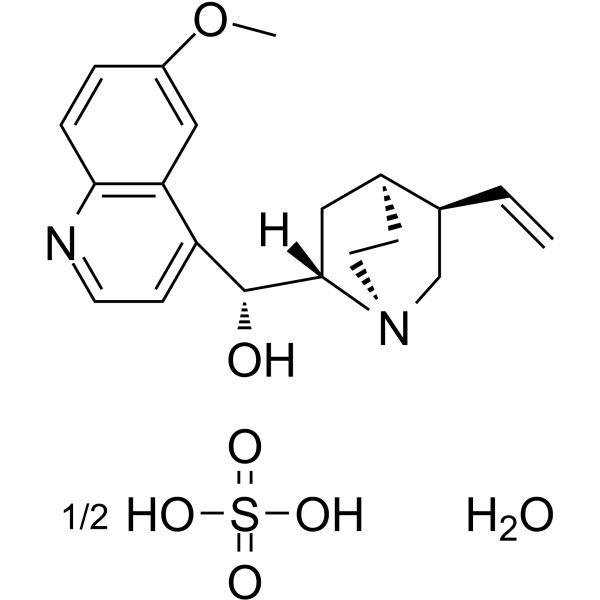 0 ImagesQuinine hemisulfate hydrate is an orally active alkaloid extracted from cinchona bark, possessing various biological activities including antimalarial, antidengue virus (DENV), and anticancer properties. Quinine hemisulfate hydrate acts as a potassium channel inhibitor that suppresses the +100 mV current of MT mSlo3 (KCa5.1) channels induced by voltage pulses, with an IC50 value of 169 μM. Quinine hemisulfate hydrate serves as a fluorescence standard reference substance with fluorescence spectrum calibration and validation activity.
-
Topiramate (Standard)
 0 ImagesSynonyms: McN 4853 (Standard); RWJ 17021 (Standard)Topiramate (Standard) is the analytical standard of Topiramate. This product is intended for research and analytical applications. Topiramate (McN 4853) is a broad-spectrum antiepileptic agent. Topiramate is a GluR5 receptor antagonist. Topiramate produces its antiepileptic effects through enhancement of GABAergic activity, inhibition of kainate/AMPA receptors, inhibition of voltage-sensitive sodium and calcium channels, increases in potassium conductance, and inhibition of carbonic anhydrase.
-
Glipizide (Standard)
 0 ImagesSynonyms: CP 28720 (Standard); K 4024 (Standard)Glipizide (Standard) is the analytical standard of Glipizide. This product is intended for research and analytical applications. Glipizide (CP 2872; K 4024) a potent, orally active and sulfonylurea class anti-diabetic agent and can be used for type 2 diabetes mellitus research but not type 1. Glipizide acts by partially blocking ATP-sensitive potassium (KATP) channels among β cells of pancreatic islets of Langerhans.

-
Charybdotoxin
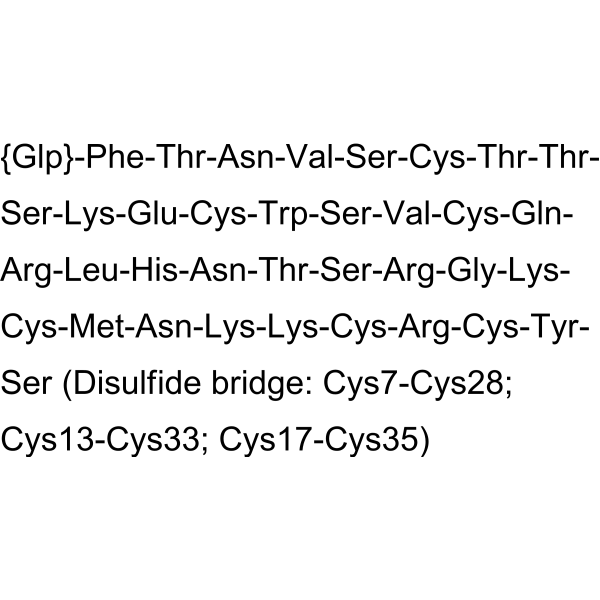 0 ImagesCat. No.: HY-P0191CAS No.: 95751-30-7Charybdotoxin, a 37-amino acid peptide, is a K+ channel blocker.
-
Glyburide-d11
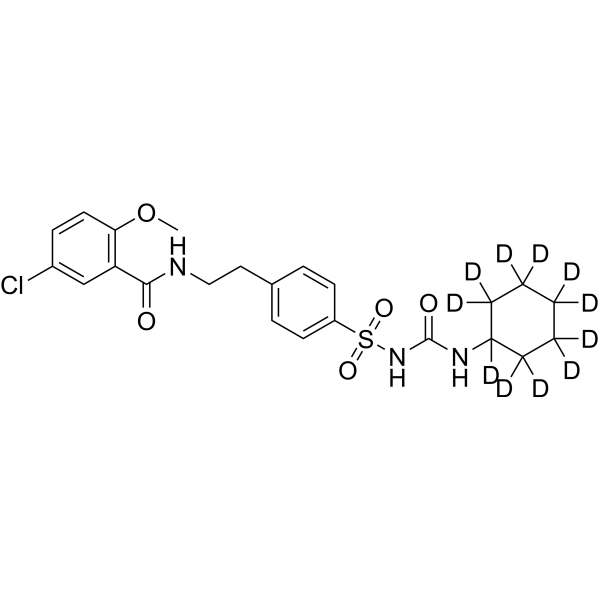 0 ImagesGlyburide-d11 is the deuterium labeled Glibenclamide. Glibenclamide (Glyburide) is an orally active ATP-sensitive K+ channel (KATP) inhibitor and can be used for the research of diabetes and obesity. Glibenclamide inhibits P-glycoprotein. Glibenclamide directly binds and blocks the SUR1 subunits of KATP and inhibits the cystic fibrosis transmembrane conductance regulator protein (CFTR). Glibenclamide interferes with mitochondrial bioenergetics by inducing changes on membrane ion permeability. Glibenclamide can induce autophagy.
-
HBI-2375
 0 ImagesSynonyms: HYBI-084HBI-2375 (HYBI-084) is a brain-penetrant WDR5 inhibitor with an IC50 of 4.48 nM. HBI-2375 binds to the WINR5 and disrupts MLL1-WDR5 protein-protein interactions. HBI-2375 inhibits cancer cells proliferation and shows anti-tumor activity in AML mouse models, and increases tumor CD8+ cytotoxic T lymphocyte infiltration. HBI-2375 inhibits hERG with an IC50 of 17 µM.
-
Guanosine 5'-diphosphate-15N5 dilithium
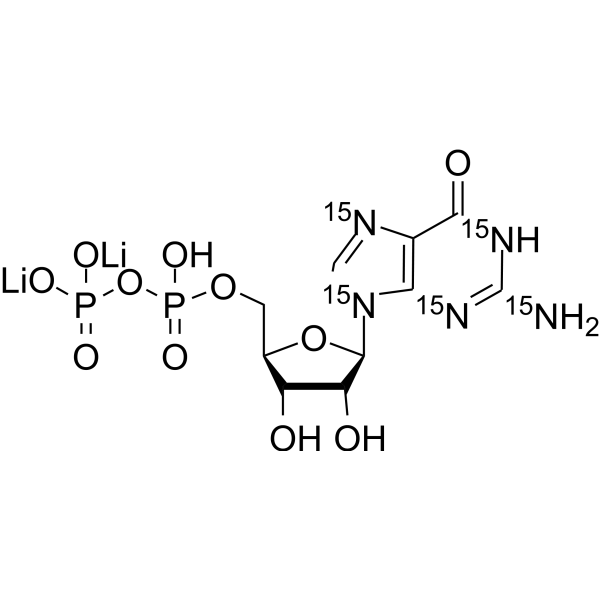 0 ImagesCat. No.: HY-113066SPurity: 98.20%Synonyms: GDP-15N5 dilithiumGuanosine 5'-diphosphate-15N5 (GDP-15N5) dilithium is 15N labeled Guanosine 5'-diphosphate (HY-113066). Guanosine 5'-diphosphate (GDP) is a nucleoside diphosphate that activates adenosine 5'-triphosphate-sensitive K+ channel. Guanosine 5'-diphosphate is a potential iron mobilizer, which prevents the hepcidin-ferroportin interaction and modulates the interleukin-6 (IL-6)/stat-3 pathway. Guanosine 5'-diphosphate can be used in the research of inflammation, such as anemia of inflammation (AI).
-
Siponimod hemifumarate
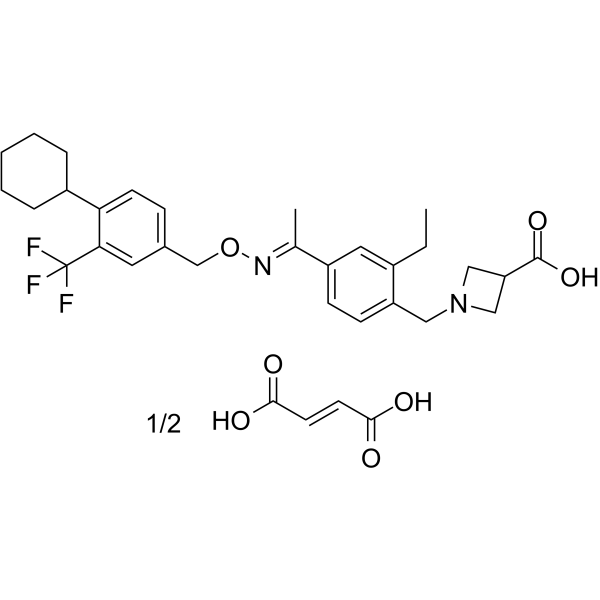 0 ImagesSynonyms: BAF-312 hemifumarateSiponimod (BAF-312) hemifumarate is an orally active, blood-brain barrier penetrant dual agonist of S1P1/S1P5, with EC50 values of 0.39 nM and 0.98 nM, respectively. Siponimod hemifumarate induces S1P1 internalization, activates GIRK channels, inhibits lymphocyte egress, reduces peripheral lymphocyte counts, triggers transient bradycardia, prevents synaptic neurodegeneration, promotes remyelination, alleviates demyelination, and prevents the loss of GABAergic interneurons. Siponimod hemifumarate can be used in research related to multiple sclerosis.
-
Foslevcromakalim
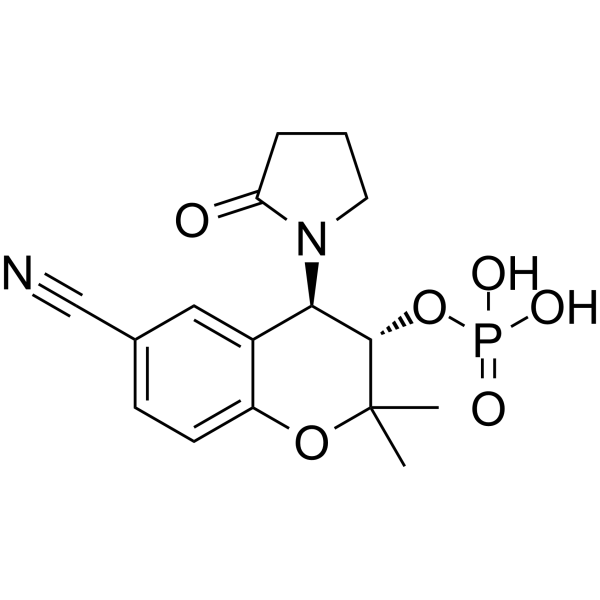 0 ImagesSynonyms: QLS-101Foslevcromakalim (QLS-101) is a ATP-sensitive potassium channel opener. Foslevcromakalim is the proagent used for ocular hypotensive effect.
-
TKIM
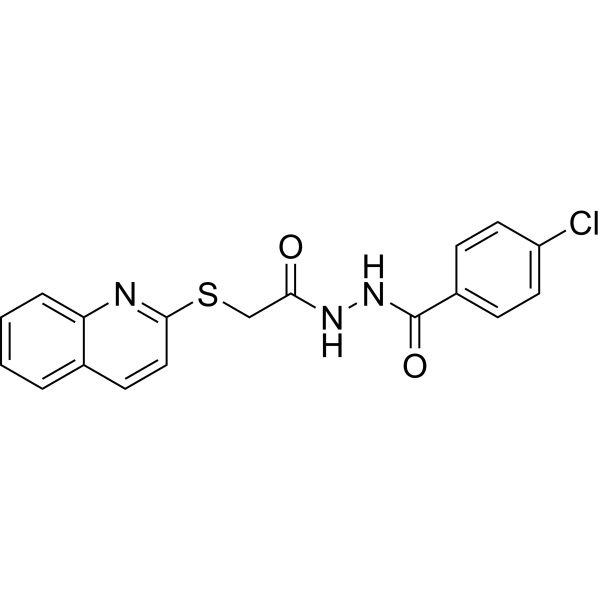 0 ImagesTKIM is a TREK-1 channel inhibitor with an IC50 of 2.96 μM. TKIM binds to the pocket of the intermediate (IM) state of TREK-1.
-
Brompheniramine
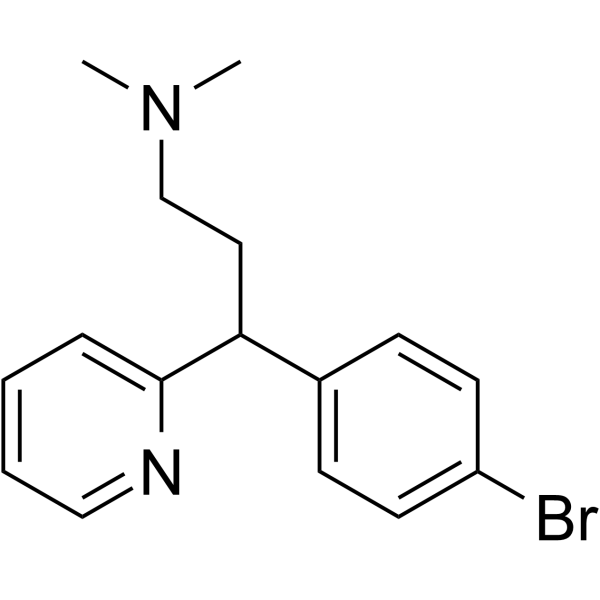 0 ImagesBrompheniramine ((±)-Brompheniramine) is a potent and orally active antihistamine of the alkylamine class. Brompheniramine is a selective histamine H1 receptor antagonist with a Kd of 6.06 nM. Brompheniramine can block the hERG channels, calcium channels, and sodium channels with IC50s of 0.90 μM, 16.12 μM and 21.26 μM, respectively. Brompheniramine has anticholinergic, antidepressant and anesthetic properties and can be used for allergic rhinitis research.
-
Phrixotoxin-1 TFA
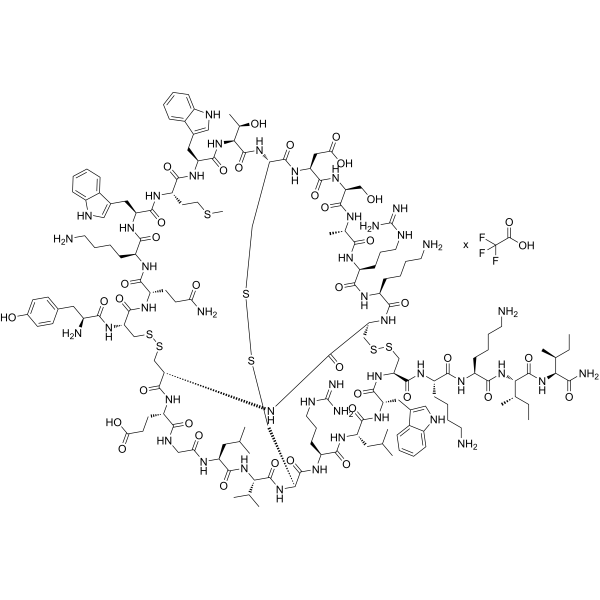 0 ImagesCat. No.: HY-P2785APhrixotoxin-1 (TFA), from the venom of the theraphosid spider Phrixotrichus auratus, is a specific peptide inhibitor of Kv4 potassium channel.
-
Aglafoline
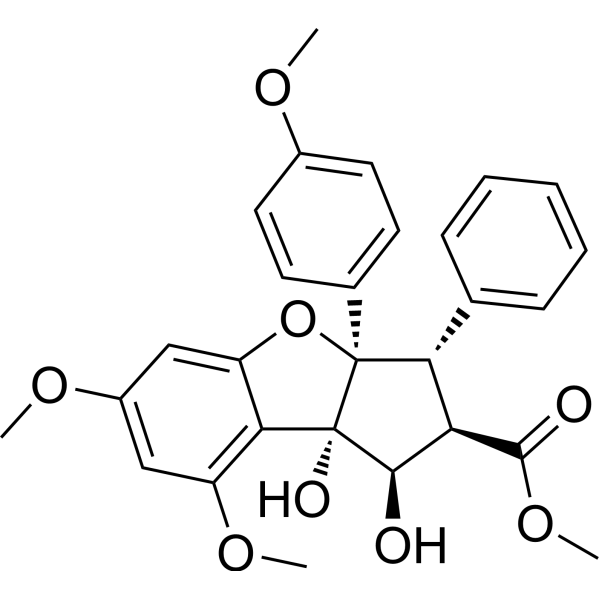 0 ImagesSynonyms: Aglafolin; Rocaglamide U; (-)-Methyl rocaglateAglafoline inhibits PAF-induced platelet aggregation, with an IC50 value of 50 μM.
-
Ropivacaine mesylate
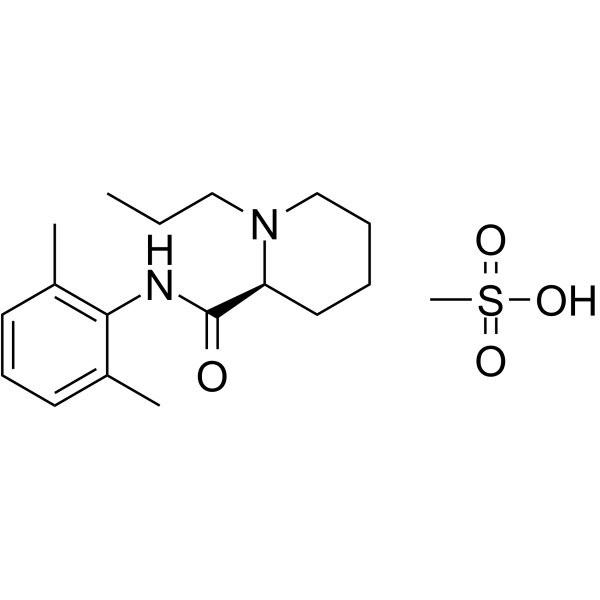 0 ImagesRopivacaine mesylate is a long-acting amide local anaesthetic agent for a spinal block and effectively blocks neuropathic pain. Ropivacaine blocks impulse conduction via reversible inhibition of sodium ion influx in nerve fibressup. Ropivacaine is also an inhibitor of K2P (two-pore domain potassium channel) TREK-1 with an IC50 of 402.7 μM in COS-7 cell's membrane.
-
ProTx-I
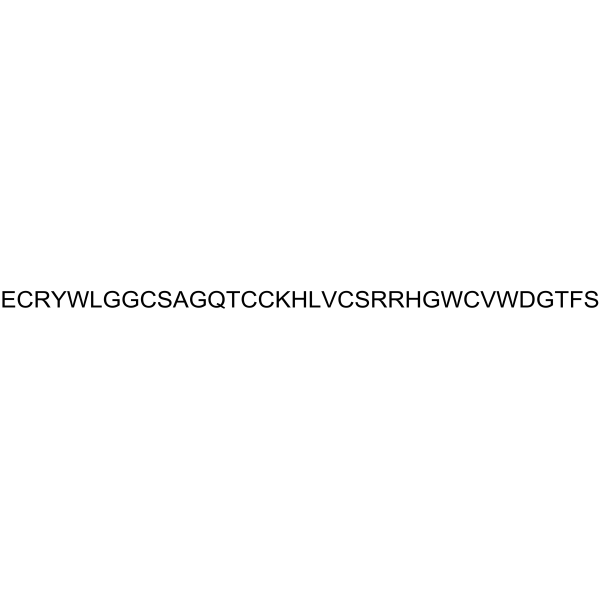 0 ImagesCat. No.: HY-P1073CAS No.: 484598-35-8ProTx-I is a toxin derived from Thrixopelma pruriens and a peptide inhibitor targeting TTX-resistant sodium channels. ProTx-I interacts with voltage sensors of multiple domains such as NaV1.7, reduces neuronal excitability through allosteric modulation of channel gating and alteration of voltage dependence. The IC50 values of ProTx-I against human NaV1.7, NaV1.2, NaV1.6, and NaV1.5 are 95 nM, 104 nM, 21 nM, and 358 nM, respectively; ProTx-I also potently inhibits Ba2+ currents of hCav3.1, while its inhibitory potency against hCav3.2 is approximately 160-fold lower. ProTx-I is applicable to the research of chronic pain.
-
SKA-111
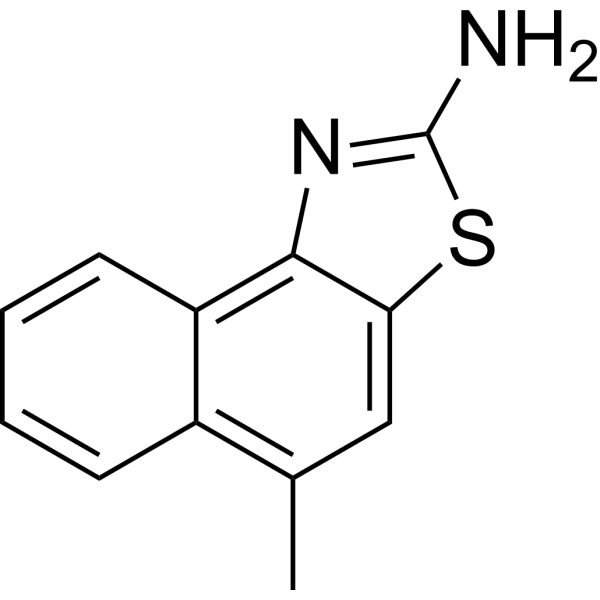 0 ImagesSKA-111 is a selective activator of potassium phannel KCa 3.1 , evokes KCa 3.1 membrane hyperpolarization in porcine endothelial cell. SKA-111 is capable of improving Bradykinin (HY-P0206)-induced coronary dilations in the isolated rat heart and can be used for cardiovascular disease research.
-
Glipizide-d11
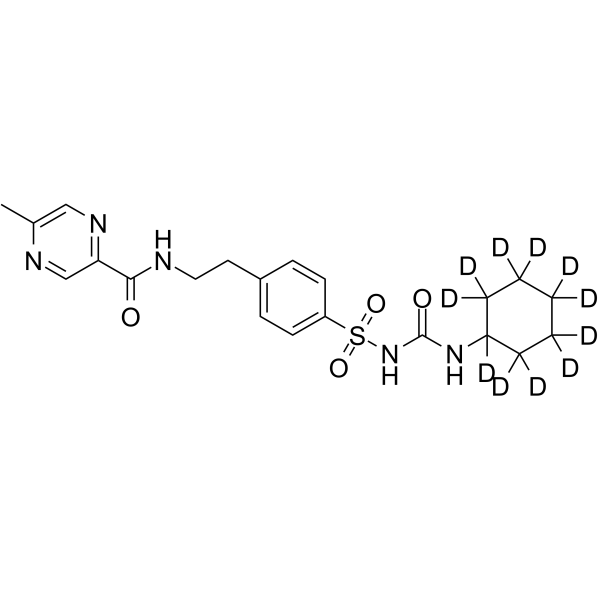 0 ImagesCat. No.: HY-B0254SCAS No.: 1189426-07-0Glipizide-d11 is the deuterium labeled Glipizide. Glipizide (CP 2872; K 4024)?a potent, orally active and sulfonylurea class anti-diabetic agent and can be used for type 2?diabetes mellitus research but not type 1. Glipizide acts by partially blocking ATP-sensitive potassium?(KATP) channels among β cells of pancreatic islets of Langerhans.
-
Flufenamic acid-13C6
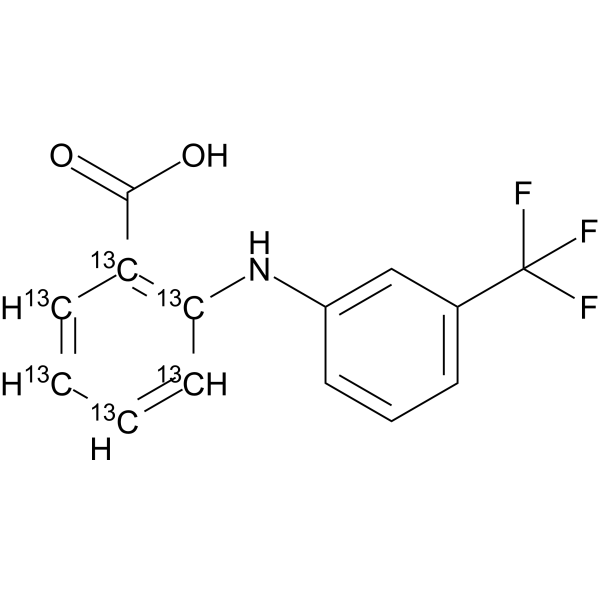 0 ImagesCat. No.: HY-B1221S1CAS No.: 1325559-30-5Flufenamic acid-13C6 is the 13C6 labeled Flufenamic acid. Flufenamic acid is a non-steroidal anti-inflammatory agent, inhibits cyclooxygenase (COX), activates AMPK, and also modulates ion channels, blocking chloride channels and L-type Ca2+ channels, modulating non-selective cation channels (NSC), activating K+ channels. Flufenamic acid binds to the central pocket of TEAD2 YBD and inhibits both TEAD function and TEAD-YAP-dependent processes, such as cell migration and proliferation.
-
N-Acetylprocainamide (Standard)
 0 ImagesSynonyms: Acecainide (Standard); NAPA (Standard)Cimetidine (hydrochloride) (Standard) is the analytical standard of Cimetidine (hydrochloride). This product is intended for research and analytical applications. Cimetidine (SKF-92334) hydrochloride is an orally active and inverse histamine H2 receptor antagonist with a Ki of 0.6 μM. Cimetidine hydrochloride is a gastric acid reducer, and can be used for duodenal and gastric ulcers research. Cimetidine hydrochloride has anti-cancer and anti-inflammatory activity.




